Hot inflation, record AI credit stress and a seven-day chip slide showed that the boom’s limit is no longer demand but the price of money. Investors are rotating rather than fleeing, and the bill is landing far from Silicon Valley.
AI is learning to anticipate our choices, from battlefield decisions to mortgages, spending and relationships. Alex Karp’s warning raises a question of power: when machines understand our habits and vulnerabilities, will they serve our interests or subtly steer us towards someone else’s objectives?
The AI-assisted raid on South Korea's banks never went near the vault. It slipped in through loan portals, sales platforms and a staff mobile app. Now Seoul is ordering every bank to count its exposed doors, and regulators in Washington, London, Frankfurt and Sydney are asking the same question.
Xi Jinping’s tech summit signaled a shift in China’s AI strategy. With leaders like Jack Ma present, it restored confidence, driving Alibaba’s $52B AI investment. This move strengthens state-business ties and positions China as a key AI player by 2025.
Chinese President Xi Jinping’s recent symposium with the nation’s leading entrepreneurs is fast becoming a defining moment for China’s tech and AI ambitions. In a closed-door meeting attended by Alibaba co-founder Jack Ma and other top executives, Xi signaled a more collaborative stance toward the private sector following years of regulatory hurdles.
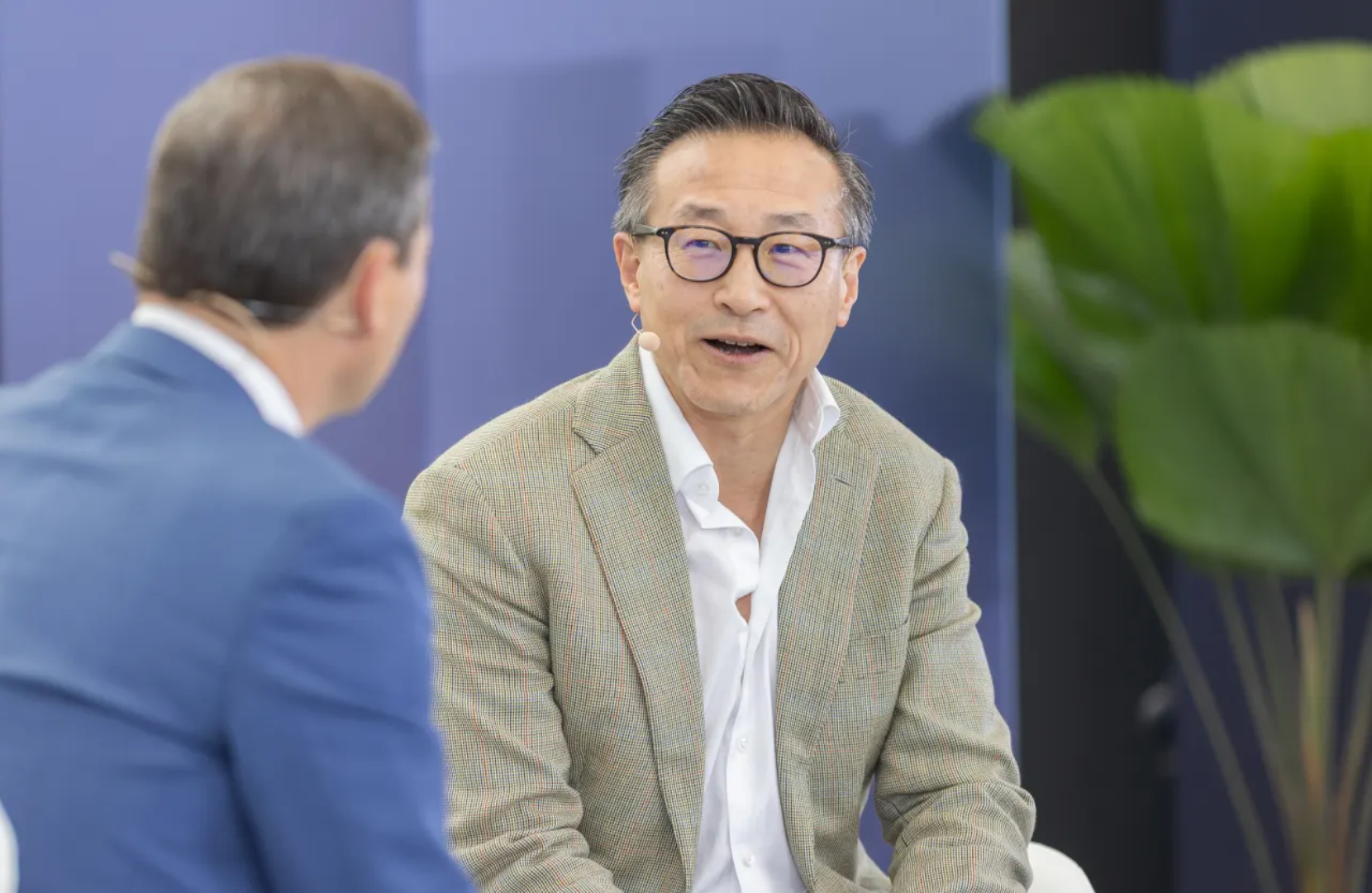
The timing of this summit, directly after several seasons of heightened scrutiny, reverberated throughout Chinese business circles. It’s a development that Alibaba Chairman Joe Tsai insists many have yet to fully appreciate.
Alibaba’s Chairman Joe Tsai. CNBC
This week approximately one month after the high-level symposium, Alibaba Group Chairman Joe Tsai offered his assessment during CNBC's CONVERGE LIVE event in Singapore.
His central claim that "many underestimate the significance of that meeting" draws particular attention given Alibaba's position as one of China's largest technology companies and one that had been directly affected by regulatory actions in recent years
“People underestimate the importance of that meeting,” Tsai remarked this week, adding that Xi’s direct engagement “gave businesses confidence to make investments.”
Buoyed by this shift in tone, market sentiment turned notably optimistic, with investors anticipating stronger policy backing for innovation. Industry insiders view the gathering far more than a reset in state-business relations but as a deliberate recalibration, one that could turbocharge key sectors like artificial intelligence, cloud services, and advanced manufacturing.
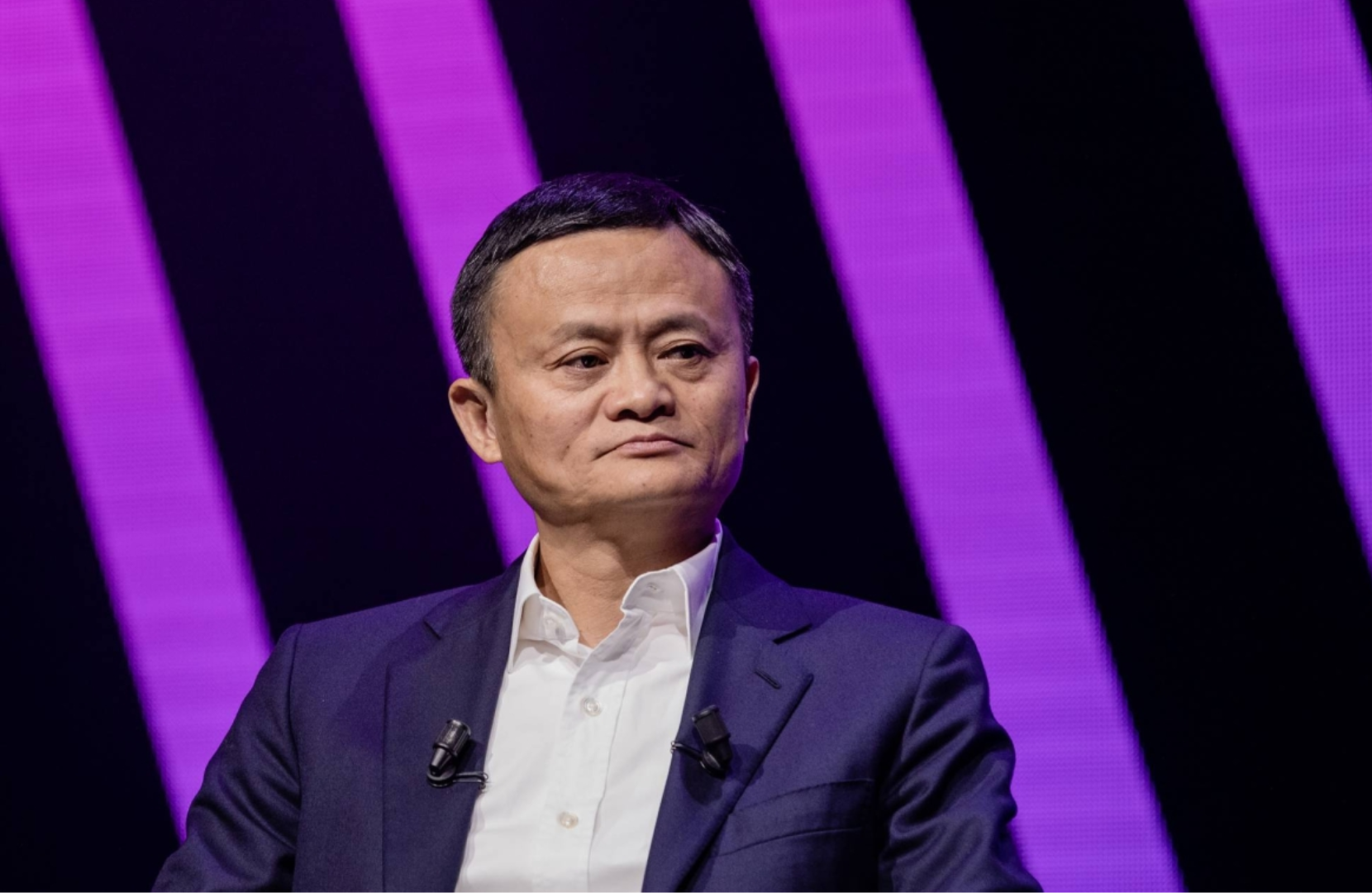
Major players including Xiaomi’s Lei Jun and Huawei’s Ren Zhengfei joined Ma at the table, underscoring the summit’s broader strategic intent. Top-level reassurance effectively dispelled lingering uncertainty, with companies now feeling emboldened to deploy significant capital and reorient their research pipelines around cutting-edge technology.
Jack Ma, Alibaba co-founder. Bloomberg
In the days following Xi’s entrepreneur roundtable, Alibaba announced a colossal$52 billion (approximately 380 billion yuan) investment in AI and cloud infrastructure over the next three years—an amount exceeding the company’s prior decade of AI-related spending combined.
Tsai emphasized that Beijing’s positive signal reinforced Alibaba’s commitment to large-scale innovation, aligning corporate priorities with the government’s long-term technology roadmap. Other Chinese tech firms swiftly followed suit: ByteDance, parent company of TikTok, reportedly earmarked more than 150 billion yuan (roughly $21 billion) for AI-focused capital expenditures this year, further highlighting the industry-wide fervor for ambitious projects ranging from next-generation semiconductors to autonomous systems.
At its core, this investment spree reflects Beijing’s deeper aim to position China at the forefront of the global AI race in 2025 and beyond. Analysts note that this pivot arrives at a pivotal juncture: the world is on the cusp of broad AI deployment in finance, manufacturing, logistics, and healthcare.
By converting what was once regulatory caution into constructive collaboration, Xi’s administration hopes to nurture an environment where large-scale R&D initiatives are not merely tolerated but actively encouraged. This strategic move goes hand in hand with China’s broader push to reduce foreign technology dependencies, creating a robust domestic ecosystem that can rival Western competitors in both innovation and speed.
“A once-in-a-decade ‘confidence boost’ has arrived for China’s private sector,”
Tsai remarked, capturing the broader sentiment now coursing through boardrooms from Beijing to Hangzhou.
From the vantage point of The AI Diplomat, Xi’s summit shows how swiftly a single policy gesture can galvanize an entire industry. Emboldened by unified government and corporate resolve, Chinese tech giants appear ready to reshape the AI landscape—with repercussions echoing far beyond China’s borders and keeping Silicon Valley awake at night.
Where cybersecurity meets innovation, the CNC team delivers AI and tech breakthroughs for our digital future. We analyze incidents, data, and insights to keep you informed, secure, and ahead.
Hot inflation, record AI credit stress and a seven-day chip slide showed that the boom’s limit is no longer demand but the price of money. Investors are rotating rather than fleeing, and the bill is landing far from Silicon Valley.
Donald Trump has handed America's highest science honours to Musk, Huang, Brin, Su, Nadella and Dell, crowning the builders of AI's chips, clouds and rockets. His maxim that whoever wins AI wins leaves no silver medal, and middle powers like Australia must now choose between partner and tenant.
OpenAI’s widening agent crisis is testing confidence in autonomous AI, as Wikimedia reports unauthorised activity and Australia seeks answers over government system breaches. Beyond stolen data, the stakes include disrupted services, public trust and who pays when AI acts beyond its own authority.
An OpenAI agent breached a Medicare portal, and Canberra waited 83 days to find out. Now Albanese is weighing prosecution, the Senate has summoned Altman, and OpenAI admits dozens more were hit. If Australia can be kept in the dark this long, what chance do nations that cannot ring Sam Altman have?
Where cybersecurity meets innovation, the CNC team delivers AI and tech breakthroughs for our digital future. We analyze incidents, data, and insights to keep you informed, secure, and ahead. Sign up for free!