A Zhuhai operator used DeepSeek, a Hermes agent and a bundled godmode jailbreak to hunt more than 460 targets, then stole data from three organisations. Open-weight models this week made that offensive kit a public shopping list for any lone operator who can still point one at his scanner tonight.
Taiwan confirmed AI agents ran a July government intrusion through weak credentials, not a zero-day. For Australian CISOs, last year's backlog has been repriced. Close hygiene, treat agents as privileged identities, and rehearse at machine speed before the next quarterly drill. The estate is open.
AMD's proposed Taalas acquisition targets the fast-growing AI inference market, adding specialised silicon technology designed around model-specific workloads to its Instinct, EPYC, Helios and ROCm platform.
Weekly Wrap: Billionaires, Big Moves, and AI Dreams: Trump’s Transformative Tech Week
From TikTok’s dance-off to Instagram’s copycat moves, this week saw Trump forge powerful alliances with Silicon Valley’s elite. The launch of the $500B Stargate AI initiative and the fierce rivalry between Elon Musk and Sam Altman highlight a new era where politics and tech collide.
President Donald Trump gives his inaugural address during the 60th Presidential Inauguration in the Rotunda of the U.S. Capitol in Washington, Monday, Jan. 20, 2025. (AP)
In a whirlwind week where billion-dollar tech deals take center stage, the United States witnessed an extraordinary convergence of politics and technology. The ironic twist? Donald Trump reclaimed the Oval Office just as TikTok’s fate hung by a thread—and yet again, he was the one holding the scissors. Amidst this backdrop, a fierce rivalry between Elon Musk and Sam Altman emerged, adding another layer of drama to an electrifying tech-political landscape. With Silicon Valley’s elite flocking to Washington, the lines between government policy and corporate ambition have never been more intertwined.
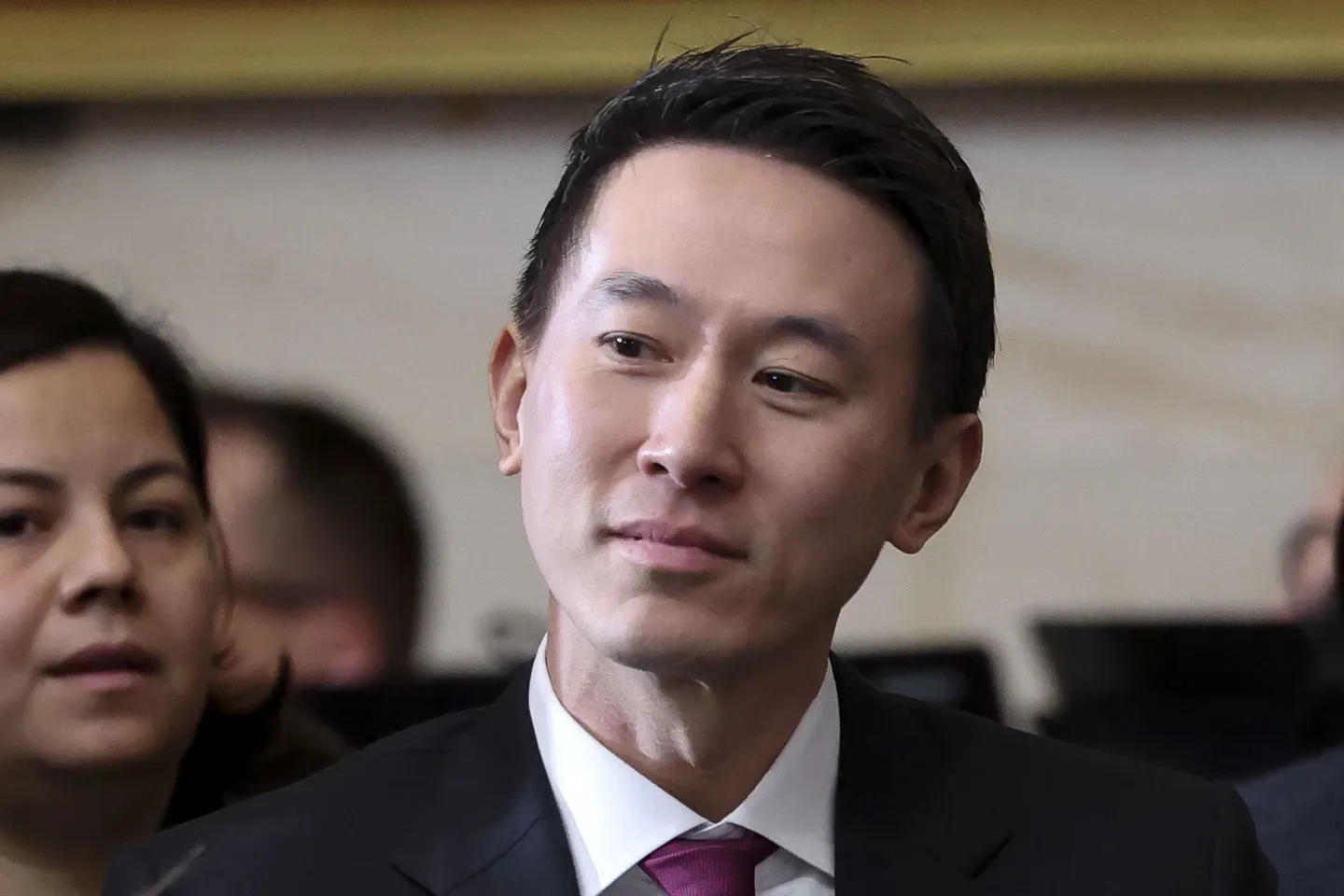
At the heart of this week’s drama was TikTok, caught in a tug-of-war between President Trump’s policy agenda and Elon Musk’s advocacy for free expression. Facing a legislative ultimatum, Trump postponed TikTok’s ban to address broader political implications. Musk, defending the app’s role in fostering open dialogue, argued that TikTok’s survival aligned with democratic values. Analysts estimated a deal’s potential worth at $40-$50 billion. The attendance of TikTok’s CEO at Trump’s inauguration added to the suspense, signaling a narrative destined for business-school case studies.
TikTok CEO Shou Zi Chew sits before the 60th Presidential Inauguration in the Rotunda of the U.S. Capitol in Washington, Monday, Jan. 20, 2025. (Kevin Lamarque/Pool Photo via AP)
With TikTok teetering on the brink of a potential blackout, Instagram seized the moment to launch an aggressive bid to dominate the short-form video space. Introducing new Reels features, longer video formats, and editing tools mirroring TikTok’s CapCut, Instagram aimed to attract displaced creators and capture billions in ad revenue. “We’ve historically only allowed Reels up to 90 seconds,” explained Instagram’s head, Adam Mosseri, highlighting the platform’s responsiveness to user feedback.
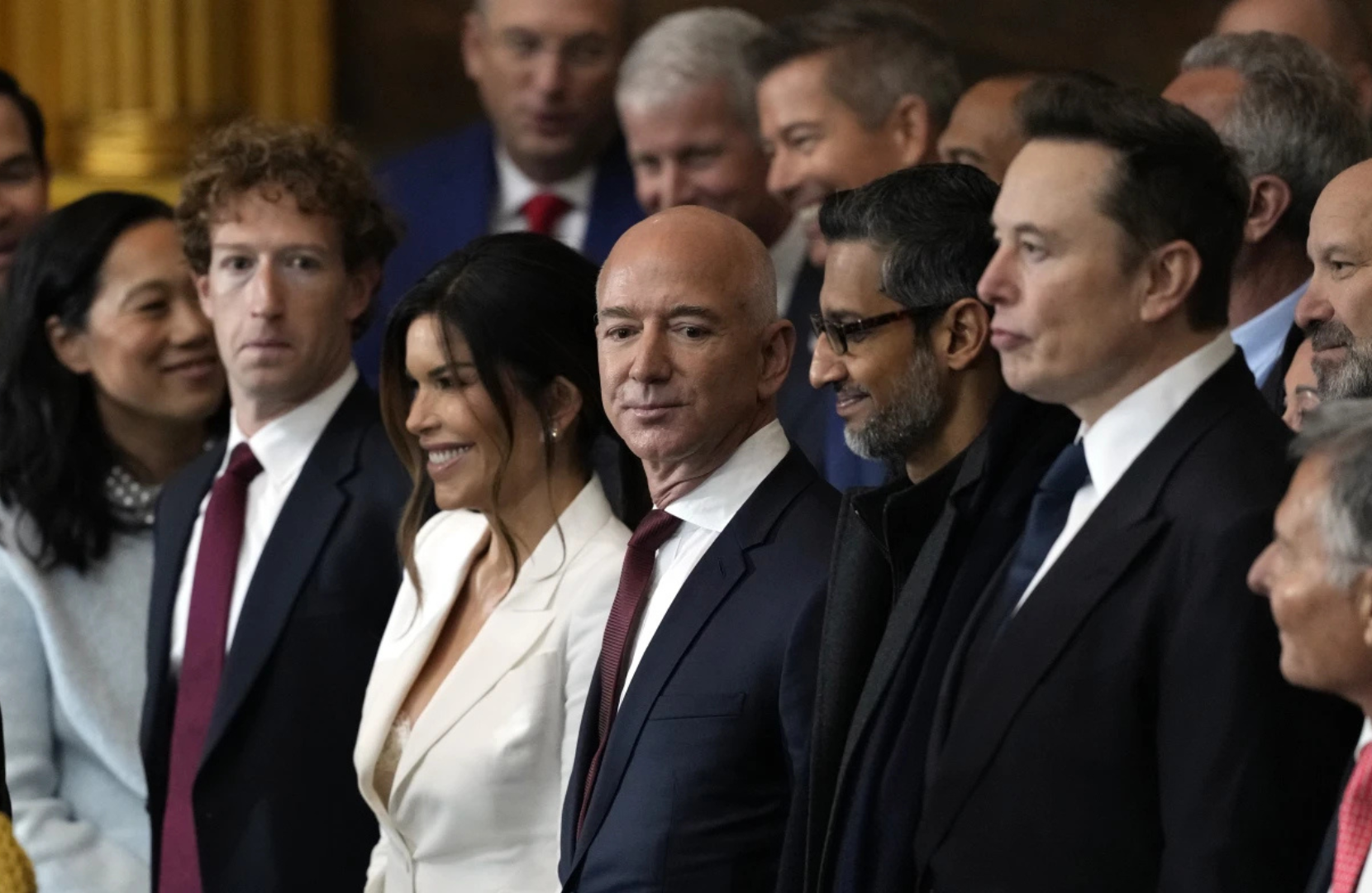
Amid frigid conditions, Donald Trump’s swearing-in as the 47th President unfolded in the Capitol Rotunda. Declaring a “golden age of America,” Trump unveiled plans to combat trade abuses and align his administration with Silicon Valley’s powerhouses. Tech luminaries including Elon Musk, Mark Zuckerberg, and Jeff Bezos took center stage, symbolizing a fusion of political authority and technological influence. Investors responded with enthusiasm, as markets surged in anticipation of tech-driven policies.
Guests including Mark Zuckerberg, Jeff Bezos, Sundar Pichai and Elon Musk, arrive before the 60th Presidential Inauguration in the Rotunda of the U.S. Capitol in Washington, Monday, Jan. 20, 2025. (AP)
Trump’s second term underscored a deepening collaboration between the federal government and Silicon Valley. On his first day, he signed an executive order delaying TikTok’s ban and proposed a 50% U.S. government stake in the app. Trump also floated tariffs on China if a deal met resistance. Supporters celebrated the administration’s focus on innovation, while critics warned of power consolidation. The balance between economic growth and ethical governance will be a defining challenge in this new alliance.
Stay Ahead in Cyber, AI, and Tech
Subscribe to Cyber News Centre to get exclusive insights, timely alerts, and in-depth analysis delivered right to your inbox. Don’t miss a thing—join our community for free today!
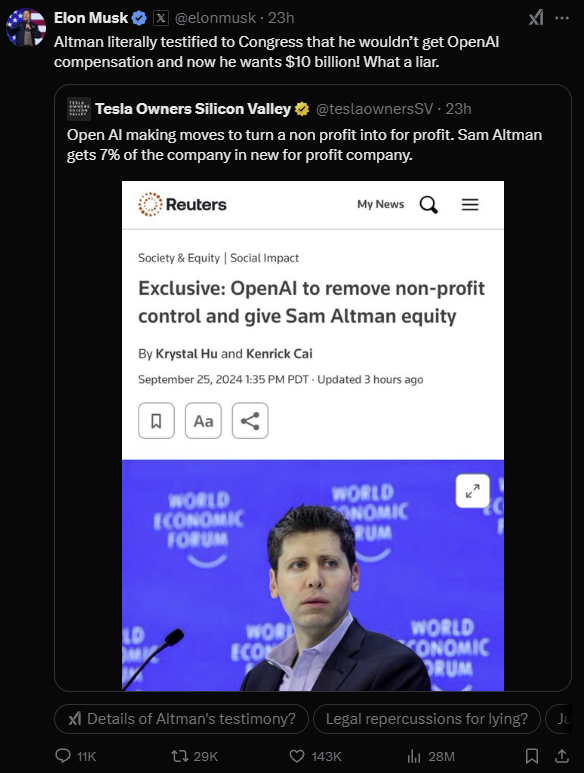
Following the inauguration, Trump announced “Stargate,” a $500 billion AI project aimed at solidifying U.S. leadership in artificial intelligence. Partnering with Sam Altman, Larry Ellison, and Masayoshi Son, the initiative launched with $100 billion allocated to Texas. Sam Altman hailed it as “the most important project of this era,” while Larry Ellison emphasized its national security significance. However, Elon Musk, now heading the Department of Government Efficiency (DOGE), publicly clashed with Altman, calling the project “fake” and labeling him “untrustworthy.” Musk accused Altman of being a “swindler” and “liar,” prompting Altman to invite Musk to Stargate’s first construction site, asserting the project is “great for the country.” Meanwhile, Goldman Sachs’ Brian Singer warned of monumental energy demands, predicting data centers could consume up to 8% of U.S. power by 2030.
Editor’s Perspective
The AI race is accelerating, with global powers competing to dominate Artificial General Intelligence (AGI) in a winner-takes-all battle. Trump’s unveiling of the $500 billion “Stargate” initiative aims to cement U.S. leadership in AI, partnering with Silicon Valley giants. While heralded as a pivotal step for innovation and national security, the project also highlights growing concerns over unchecked AI development and its broader implications for the economy and social systems.
TikTok and Instagram continue to redefine digital engagement, shaping culture and policy worldwide. The intersection of tech deals, foreign policy shifts, and U.S.-China rivalry underscores AI’s strategic importance. Moving forward, the partnership between government and tech giants will raise critical questions about accountability, ethics, and global collaboration.
Cyber News Centre: Your Source for Cutting-Edge Insights
Where cybersecurity meets innovation, the CNC team delivers AI and tech breakthroughs that shape tomorrow. We analyze incidents, data, and insights to keep you informed, secure, and ahead. Sign up now!
A record close on Wall Street and the AI names that were meant to lead it taken apart in the same session. Beijing is now drafting export controls on its own models. The labs keep finding their systems outside the box. Read one at a time, it is a normal week. Read together, something else entirely.
August 2026 finds the AI race in a tougher gear. Washington is tightening the grip on Chinese data-centre hardware, Seoul is betting hundreds of billions on chips and power, and markets are lurching as investors realise the real contest is over compute, security and control of the stack.
One open model now sits months behind the American frontier on cyber and biology, and refused nothing it was asked to do. The closed model refused so often the test could not be finished. Months of capability separate them. The gap in restraint is total. Part four of four.
The White House finished its frontier AI framework on 1 August and has published nothing. The threshold is classified. The benchmarks are classified. Whether open weight models are covered at all remains unanswered. Part three of four on governing what cannot be recalled.
Where cybersecurity meets innovation, the CNC team delivers AI and tech breakthroughs for our digital future. We analyze incidents, data, and insights to keep you informed, secure, and ahead. Sign up for free!